

If your phone system feels a bit outdated but you can’t quite put your finger on why, you’re not alone. VoIP is what most businesses are moving to when they reach that point.
What does VoIP actually mean?
VoIP stands for Voice over Internet Protocol. In simple terms, it allows you to make and receive phone calls using your internet connection instead of a traditional phone line. No copper lines. No fixed setup. Just your phone system running through your internet.
Behind the scenes, your voice is converted into digital data, sent over the internet, and turned back into sound at the other end. It all happens instantly, so from your point of view, it feels no different to a normal call.
Why VoIP gives your business more flexibility
The difference is what it allows you to do. With a traditional phone line, everything is tied to a location. If you’re not at your desk, you miss the call. If your team grows, you add more lines, more cost, more complexity.
We see this a lot with businesses who don’t realise how much their phone system is holding them back until it starts affecting how they operate day to day.
VoIP removes that limitation. You can take calls from your desk, your mobile, or your laptop. Your team can work from different locations without it impacting communication. Calls can be routed properly instead of being missed or bouncing around the office. It just works in the background, the way it should.
More than just lower costs
Cost is often the reason people first look into VoIP, and yes, it reduces call charges. But the real value is in what it unlocks. VoIP systems come with features that traditional setups simply don’t offer: call routing, voicemail to email, call recording, analytics, and auto-attendants.
These are things that make your business feel organised and professional without adding extra admin. You’re no longer trying to make an old system keep up with how you work now.
Is switching to VoIP complicated?
A common concern is whether switching is complicated or disruptive. It doesn’t need to be. When it’s done properly, your new system is set up alongside your existing one. You’re not left without phones or having to change your number. You’re not guessing your way through it. Everything is moved over in a controlled way so your business keeps running as normal.
What about call reliability?
Another concern is reliability. VoIP is only as strong as the setup behind it. With the right configuration and a stable internet connection, call quality is consistent and dependable. It’s clearer than traditional lines.
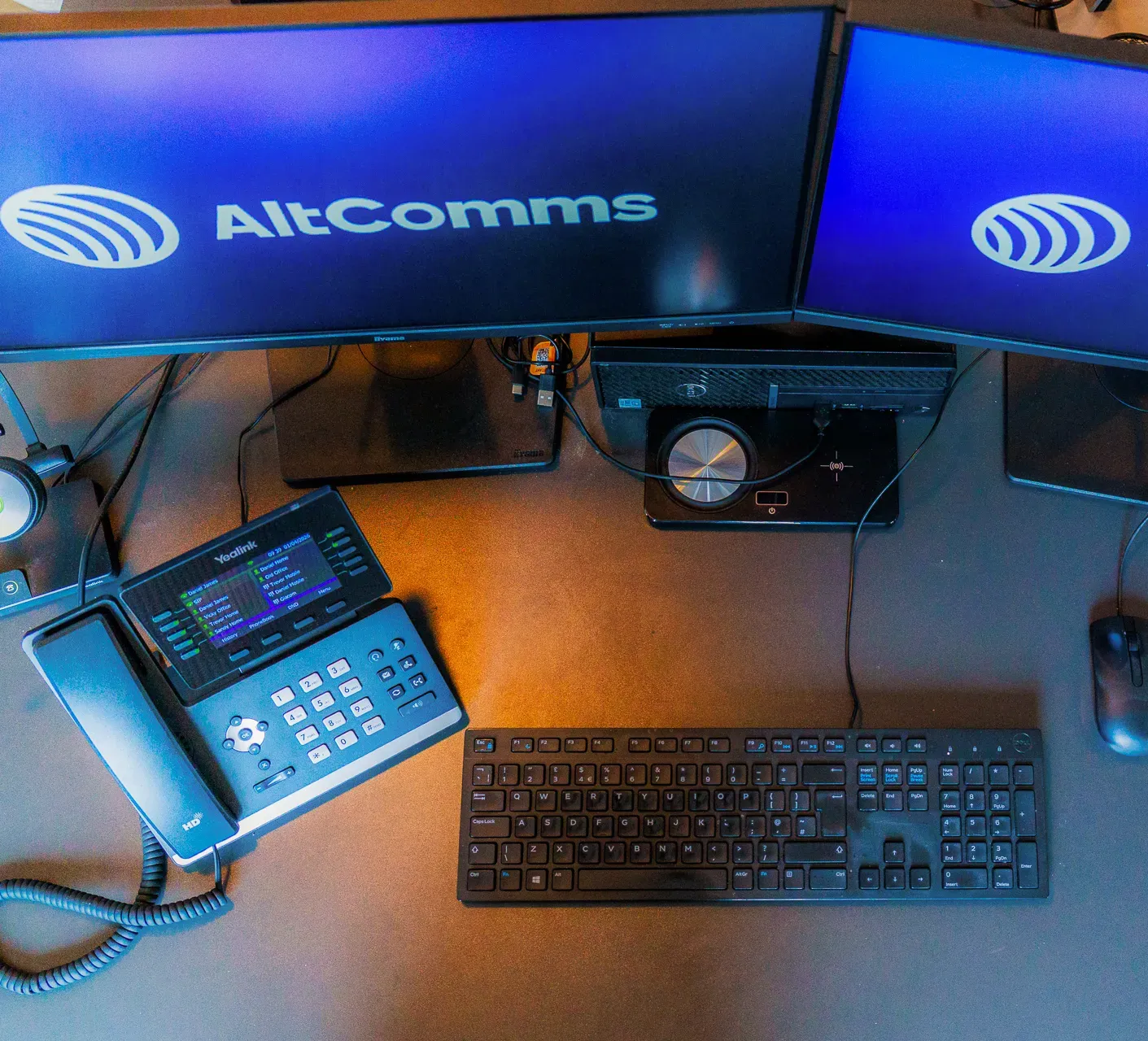
The UK’s phone network switch off
There’s also a bigger shift happening that businesses need to be aware of. The UK is phasing out traditional phone networks. That means PSTN and ISDN lines are being switched off, and businesses still using them will have to move to a digital alternative. So this isn’t just about upgrading. It’s about staying ahead of a change that’s already in motion.
Why VoIP is now the practical choice
For most small to mid-sized businesses, VoIP isn’t the “techy” option anymore. It’s the practical one. If your business relies on calls, clients, or team communication, it gives you a system that actually supports how you work instead of slowing you down.
How Alternative Comms can help
At Alternative Comms, we help businesses make that move without the stress. We look at how you currently operate, what’s working, what isn’t, and put a system in place that fits properly.
If you’re not sure whether VoIP is right for you yet, we’ll talk it through with you and give you a clear answer either way. No pressure, just clarity.